
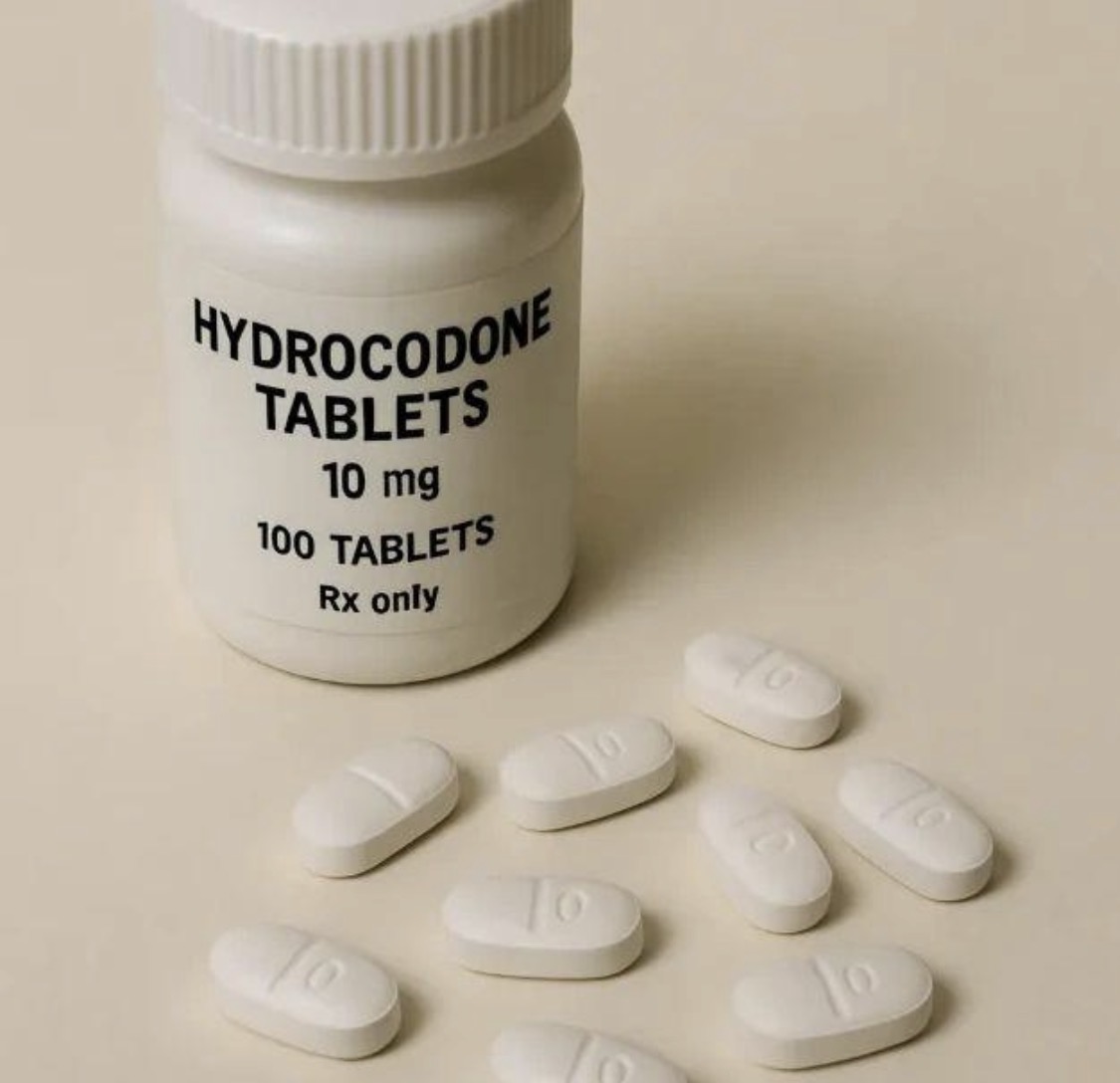
Hydrocodone 10 mg
Introduction
Hydrocodone 10 mg is an opioid medicine that healthcare professionals may prescribe to manage severe pain when they consider opioid treatment appropriate. Hydrocodone acts on opioid receptors in the central nervous system and changes how the body perceives pain. Real hydrocodone 10 mg uses
Hydrocodone can cause drowsiness, dizziness, constipation, and slowed breathing. Use Hydrocodone 10 mg only according to your healthcare professional’s instructions.
Hydrocodone 10 mg Uses
Doctors may prescribe hydrocodone to manage severe pain when other treatment options do not provide adequate relief. Depending on the specific product, hydrocodone may appear alone or in combination with another medicine.
Your doctor will determine whether hydrocodone suits your condition and which formulation you should use.
Hydrocodone 10 mg Safety Information
Hydrocodone can cause serious breathing problems, particularly when people take excessive amounts or combine it with other medicines that depress the central nervous system.
Avoid alcohol while taking hydrocodone. Alcohol can increase sedation and may raise the risk of dangerous breathing problems.
Hydrocodone can also interact with benzodiazepines, sedatives, other opioids, and other medicines that cause central nervous system depression. Combining these medicines can cause profound sedation, respiratory depression, coma, and death.
Regular or prolonged use can cause tolerance, physical dependence, and addiction. Do not change your dose or stop regular treatment without medical advice.
Who Should Take Hydrocodone 10 mg?
Only people who have received a prescription or appropriate medical advice should take Hydrocodone 10 mg.
Before starting treatment, tell your doctor or pharmacist about your medical history and all medicines, supplements, and other substances you use.
Never share hydrocodone with another person. Opioid medicines can cause serious harm when someone takes them without medical supervision.
Hydrocodone 10 mg Side Effects
Hydrocodone can cause side effects such as:
-
Drowsiness
-
Dizziness
-
Nausea
-
Vomiting
-
Constipation
-
Headache
-
Dry mouth
Seek emergency medical attention if you experience slow or shallow breathing, severe difficulty breathing, extreme sleepiness, loss of consciousness, or other signs of opioid overdose.
Hydrocodone 10 mg Interactions
Hydrocodone can interact with medicines and substances that depress the central nervous system. Alcohol, benzodiazepines, sedatives, and other opioids can increase its effects and the risk of serious breathing problems.
Tell your doctor or pharmacist about every medicine you take before starting hydrocodone. Your healthcare professional can check for potential interactions and provide appropriate guidance.
Frequently Asked Questions About Hydrocodone 10 mg
What is Hydrocodone 10 mg?
Hydrocodone 10 mg contains 10 mg of hydrocodone. Healthcare professionals may prescribe this opioid medicine to manage severe pain when they consider opioid treatment appropriate.
What is Hydrocodone 10 mg used for?
Doctors may prescribe hydrocodone to manage severe pain. The appropriate use depends on the specific product, the patient’s condition, and the healthcare professional’s assessment.
Can Hydrocodone 10 mg make you sleepy?
Yes. Hydrocodone can cause drowsiness and dizziness. Avoid driving or operating machinery if you feel sleepy, dizzy, or impaired.
Can hydrocodone cause dependence?
Yes. Regular or prolonged use can cause tolerance and physical dependence. Hydrocodone can also cause addiction. Follow your healthcare professional’s instructions and do not increase the dose without medical advice.
Can you take hydrocodone with alcohol?
You should avoid alcohol while taking hydrocodone. Alcohol can increase sedation and significantly increase the risk of dangerous breathing problems.
Can hydrocodone be taken with benzodiazepines?
Combining hydrocodone with benzodiazepines can cause profound sedation, respiratory depression, coma, and death. Use these medicines together only when a healthcare professional has assessed the risks and specifically prescribed the combination.
Conclusion
Hydrocodone 10 mg is an opioid medicine that healthcare professionals may prescribe for severe pain. It can cause drowsiness, constipation, dependence, addiction, and potentially life-threatening breathing problems.
Use hydrocodone only according to professional medical advice. Avoid alcohol, follow your prescribed instructions, and tell your doctor or pharmacist about all other medicines you take
Good extracts –
Instead of the ups and downs of short-acting Ativan, HYDROCODONE 10MG seems to take the edge off so I can enjoy life without the hamster wheel and tooth clenching