
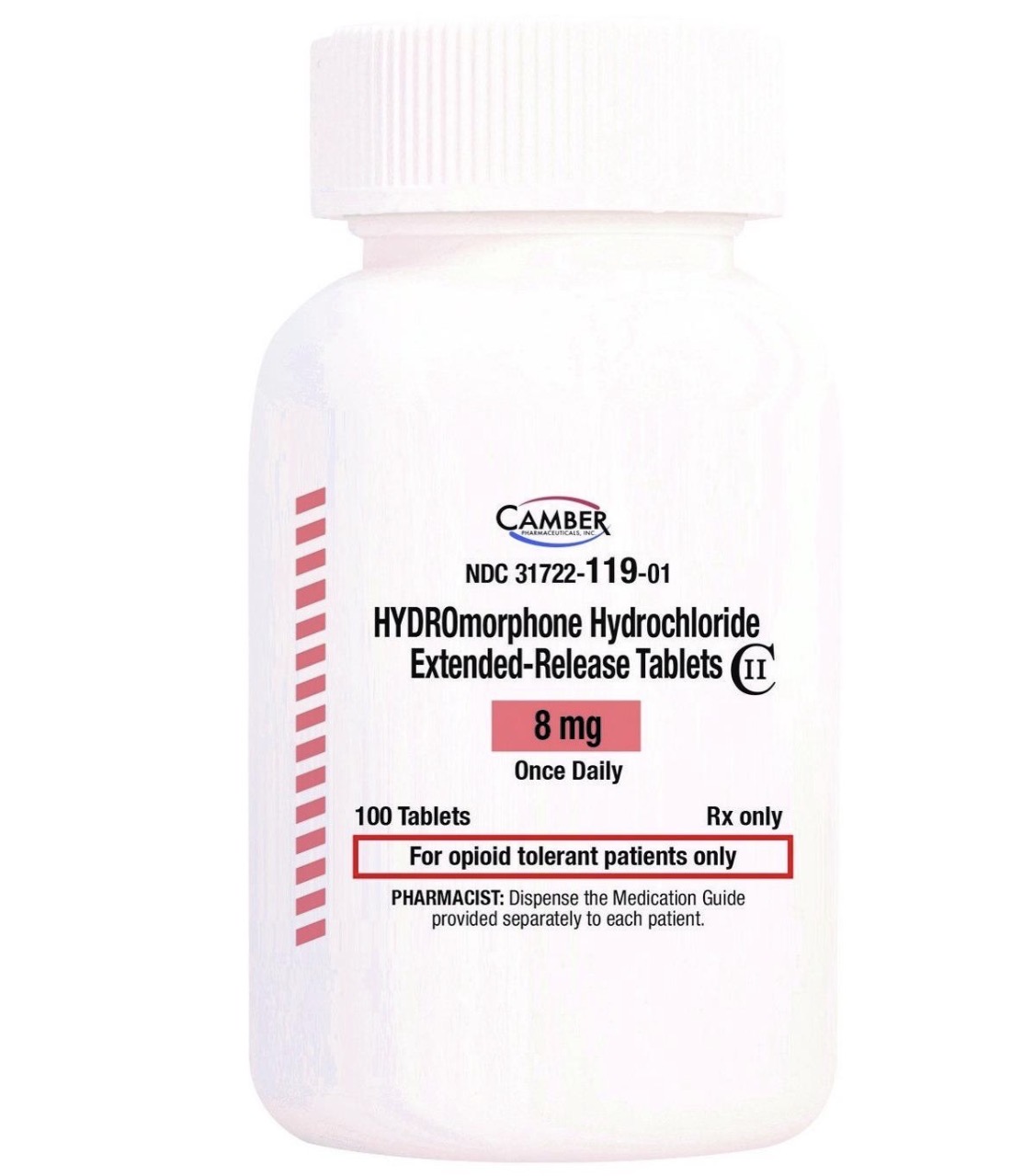
Hydromorphone
Hydromorphone is a prescription opioid pain medication that healthcare professionals use to treat moderate to severe pain when other treatments do not provide adequate relief. It is considerably more potent than morphine on a milligram-for-milligram basis, so healthcare professionals must carefully manage treatment to balance pain relief with the risk of serious side effects.
Because hydromorphones can cause respiratory depression, sedation, dependence, and overdose, patients should use it only as prescribed by a qualified healthcare professional.
What Is Hydromorphone?
Hydromorphones is a potent opioid analgesic. It works primarily by activating mu-opioid receptors in the central nervous system.
Healthcare professionals may prescribe hydromorphones when patients need strong pain relief. The specific formulation and treatment plan depend on the patient’s condition, medical history, opioid exposure, and other risk factors.
Hydromorphone Uses
Healthcare professionals may use hydromorphones to manage several types of moderate to severe pain, including:
- Acute pain after surgery or a major injury
- Cancer-related pain
- Severe chronic pain when long-term opioid treatment is appropriate
- Pain management in palliative or end-of-life care
Hydromorphone comes in several formulations. Immediate-release products can provide short-term pain relief, while extended-release products can provide longer-lasting pain control for certain patients who require continuous opioid treatment. Healthcare professionals may also use injectable hydromorphone in hospital settings.
How Does Hydromorphone Work?
Hydromorphone binds to mu-opioid receptors in the brain and spinal cord. This action changes how the nervous system perceives and responds to pain.
The same receptors also affect breathing, alertness, and reward pathways. As a result, hydromorphones can cause drowsiness, sedation, respiratory depression, and physical dependence.
The risk can increase when patients take high doses or combine hydromorphones with alcohol, benzodiazepines, or other central nervous system depressants.
Hydromorphone Side Effects
Hydromorphone can cause common side effects such as:
- Drowsiness
- Constipation
- Nausea and vomiting
- Dizziness
- Dry mouth
- Itching
Patients should contact their healthcare provider if side effects become severe, persistent, or difficult to manage.
Serious Hydromorphone Risks
Hydromorphone can also cause serious or potentially life-threatening complications, including:
- Respiratory depression
- Overdose
- Physical dependence
- Opioid use disorder
- Withdrawal symptoms after sudden discontinuation following prolonged use
Combining hydromorphone with alcohol, benzodiazepines, or other central nervous system depressants can increase the risk of severe sedation and respiratory depression.
Hydromorphones and Constipation
Constipation commonly occurs during opioid treatment because opioids can slow gastrointestinal movement.
Healthcare professionals may recommend preventive measures to help manage opioid-related constipation. Patients should discuss persistent or severe constipation with their healthcare provider rather than changing their medication on their own.
How to Use Hydromorphone Safely
Take hydromorphone exactly as prescribed by your healthcare provider. Never take more than the prescribed amount or share the medication with another person.
Patients who use extended-release hydromorphone should follow the product-specific instructions carefully. Do not crush, chew, dissolve, or alter an extended-release product unless the prescribing information specifically permits it. Altering certain formulations can release too much medication at once and increase the risk of overdose.
Patients should also:
- Avoid alcohol unless their healthcare provider specifically advises otherwise.
- Tell their healthcare provider about all prescription medicines, over-the-counter products, and supplements they use.
- Avoid driving or operating machinery until they know how hydromorphone affects their alertness and coordination.
- Store hydromorphone securely and away from unauthorized access.
- Never share hydromorphone with anyone else.
Hydromorphone and Other Medicines
Several medicines and substances can increase hydromorphone-related risks.
In particular, combining hydromorphone with benzodiazepines, alcohol, other opioids, sedatives, or other central nervous system depressants can increase sedation and respiratory depression.
Always tell your healthcare provider and pharmacist about all medicines and supplements you take. They can assess potential interactions and recommend appropriate precautions.
Hydromorphone and Naloxone
Naloxone can rapidly reverse opioid-induced respiratory depression during an opioid overdose.
Healthcare professionals may recommend naloxone for people who receive opioid treatment and have an increased risk of overdose. Patients, family members, and caregivers should know how to recognize an opioid overdose and how to use naloxone when appropriate.
If an opioid overdose occurs, seek emergency medical assistance immediately, even after administering naloxone.
Hydromorphone Dependence and Withdrawal
Long-term hydromorphone use can cause physical dependence. When physical dependence develops, suddenly stopping the medication can trigger withdrawal symptoms.
Possible withdrawal symptoms can include restlessness, sweating, muscle aches, nausea, vomiting, diarrhea, and sleep difficulties.
Do not stop long-term hydromorphone treatment suddenly unless a healthcare professional tells you to do so. A healthcare provider can determine whether you need a gradual dose reduction.
When to Seek Emergency Help
Seek emergency medical attention if someone taking hydromorphone develops:
- Slow, shallow, or difficult breathing
- Extreme drowsiness
- Inability to wake up
- Loss of consciousness
- Other signs of a possible opioid overdose
Naloxone can reverse opioid-induced respiratory depression, but emergency medical care remains essential.
Frequently Asked Questions About Hydromorphone
What is hydromorphones?
Hydromorphone is a prescription opioid analgesic that healthcare professionals use to treat moderate to severe pain when other treatment options do not provide adequate relief.
What is hydromorphones used for?
Healthcare professionals may use hydromorphone for acute pain, cancer-related pain, severe chronic pain, and pain management in palliative or end-of-life care.
Is hydromorphone stronger than morphine?
Hydromorphone has greater potency than morphine on a milligram-for-milligram basis. Because of this difference, healthcare professionals must carefully determine the appropriate treatment and monitor patients for adverse effects.
How does hydromorphone work?
Hydromorphone primarily activates mu-opioid receptors in the central nervous system. This reduces the perception and response to pain.
What are common hydromorphone side effects?
Common side effects can include drowsiness, constipation, nausea, vomiting, dizziness, dry mouth, and itching.
Can hydromorphone cause dependence?
Yes. Hydromorphone can cause physical dependence with repeated use. Opioid treatment also carries risks of misuse, addiction, and opioid use disorder.
Can you take hydromorphone with alcohol?
Patients should avoid combining hydromorphone with alcohol unless a healthcare professional specifically advises them to do so. The combination can increase sedation and respiratory depression.
What is naloxone?
Naloxone is an opioid antagonist that can rapidly reverse opioid-induced respiratory depression during an overdose. People who have an elevated risk of opioid overdose may benefit from having naloxone available.
Medical Disclaimer
This page provides general educational information about hydromorphone. It does not replace professional medical advice, prescribing information, or the official labeling for a specific hydromorphone product. Always follow your healthcare provider’s instructions and the medication’s official prescribing information.

Coirey wayce –
Extremely helpful. They helped me acquire my Hydromorphone 8mg prescription medication. A certain pharmacy said it was completely out of stock and I would not be able to find it anywhere. Everyone Pharma were very helpful, got the prescription transferred over and fulfilled my order with my desired generic brand. They were very courteous and professional when I picked up my medication. I will definitely be using them again.