
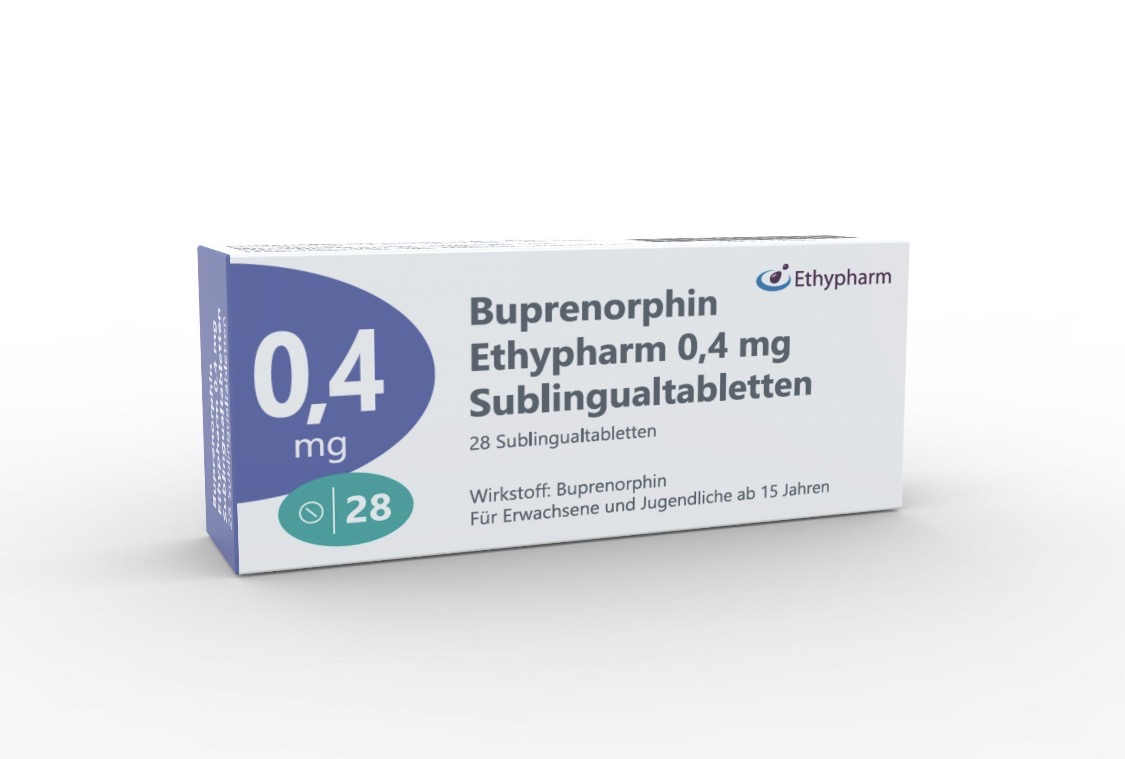
Buy Buprenorphine online
Buprenorphine is a prescription medication that healthcare professionals use to treat opioid use disorder (OUD). Certain buprenorphine formulations also treat pain.
Buprenorphine acts as a partial opioid agonist. It activates opioid receptors but produces a different effect from full opioid agonists. This action can reduce opioid withdrawal symptoms and cravings while lowering some of the risks associated with full opioid agonists.
However, buprenorphine can still cause serious side effects, including respiratory depression, misuse, dependence, and overdose. Patients should use buprenorphine only as prescribed and follow their healthcare provider’s instructions.
What Is Buprenorphine?
Buprenorphine is an opioid medication that healthcare professionals use primarily to treat opioid use disorder. Depending on the formulation, clinicians may also use it to manage certain types of pain.
Buprenorphine has a high affinity for mu-opioid receptors. It binds strongly to these receptors and partially activates them. This mechanism helps reduce cravings and withdrawal symptoms in people with opioid use disorder.
Different buprenorphine products have different approved uses. Patients should follow the prescribing information for their specific formulation.
How Does Buprenorphine Work?
Buprenorphine binds strongly to mu-opioid receptors in the brain. It activates these receptors partially rather than producing the full activation associated with many full opioid agonists.
This partial activity can reduce opioid withdrawal symptoms and cravings. It can also limit some opioid effects, although buprenorphine can still produce sedation and respiratory depression.
Because buprenorphine binds tightly to opioid receptors, it can displace other opioids. Starting buprenorphine too soon after using a full opioid agonist can therefore trigger precipitated withdrawal.
Healthcare professionals typically consider a patient’s recent opioid use and withdrawal status when starting treatment.
Buprenorphine Uses
Healthcare professionals use different buprenorphine formulations for different medical purposes.
Buprenorphine for Opioid Use Disorder
Buprenorphine can help people with opioid use disorder reduce cravings and withdrawal symptoms. Medication treatment can support recovery and reduce the harms associated with illicit opioid use.
Some medications combine buprenorphine and naloxone. The combination helps reduce the potential for misuse by injection. Patients should use these products according to their prescribed instructions.
Buprenorphine for Pain
Certain buprenorphine formulations can treat pain. These products may include transdermal patches or buccal formulations, depending on the specific product and its approved indication.
Patients should use only the formulation prescribed for their condition. Different buprenorphine products can have different strengths, dosing instructions, and approved uses.
Buprenorphine Forms
Buprenorphine comes in several formulations. Common examples include:
- Sublingual tablets or films: Healthcare professionals commonly use these formulations to treat opioid use disorder.
- Extended-release injections: Long-acting formulations can provide medication for opioid use disorder over an extended period.
- Transdermal patches: Certain products provide continuous buprenorphine delivery for pain management.
- Buccal films: Certain formulations deliver buprenorphine through the inside of the cheek for pain management.
Always check the official labeling for the specific product because formulations differ in their indications and administration requirements.
Benefits of Buprenorphine Treatment
Buprenorphine can provide several important benefits for people with opioid use disorder.
Treatment can:
- Reduce opioid cravings
- Reduce opioid withdrawal symptoms
- Support treatment retention
- Reduce illicit opioid use
- Lower the risk of opioid overdose compared with continued use of illicit opioids
- Support long-term recovery as part of a comprehensive treatment plan
Counseling, behavioral support, and other recovery services can complement medication treatment when appropriate.
Buprenorphine Side Effects
Buprenorphine can cause side effects. Common effects may include:
- Constipation
- Nausea
- Headache
- Drowsiness
- Dizziness
- Sweating
- Dry mouth
Side effects can vary depending on the formulation, dose, and individual patient.
Contact a healthcare professional if side effects become severe, persistent, or difficult to manage.
Serious Buprenorphine Risks
Although buprenorphine has important safety advantages in opioid use disorder treatment, it remains an opioid and can cause serious complications.
Potential risks include:
- Respiratory depression
- Overdose
- Misuse
- Physical dependence
- Withdrawal symptoms after stopping treatment
- Precipitated withdrawal when treatment starts too soon after other opioid use
The risk of severe respiratory depression can increase when patients combine buprenorphine with alcohol, benzodiazepines, or other central nervous system depressants.
Buprenorphine and Alcohol
Avoid combining buprenorphine with alcohol unless your healthcare professional specifically advises you to do so.
Alcohol can increase sedation and may worsen respiratory depression. Combining buprenorphine with other substances that slow the central nervous system can also increase the risk of serious harm.
Tell your healthcare provider about your alcohol use and all other medicines or substances you take.
Buprenorphine and Benzodiazepines
Benzodiazepines and other central nervous system depressants can increase the risk of sedation and respiratory depression when combined with buprenorphine.
Do not stop prescribed benzodiazepines or other medications suddenly without medical guidance. Instead, tell your healthcare professional about all medicines you take so they can manage potential risks appropriately.
Buprenorphine Dependence and Withdrawal
Long-term buprenorphine treatment can cause physical dependence. Physical dependence means that the body adapts to the medication and may produce withdrawal symptoms when treatment stops.
Do not stop buprenorphine suddenly without medical guidance. A healthcare professional can determine whether you need a gradual reduction in treatment.
What Is Precipitated Withdrawal?
Precipitated withdrawal can occur when buprenorphine displaces another opioid from opioid receptors before the body has entered sufficient withdrawal.
This sudden change can trigger withdrawal symptoms more quickly and intensely than expected.
Healthcare professionals consider factors such as recent opioid use, the type of opioid involved, and the patient’s withdrawal status when starting buprenorphine treatment.
Buprenorphine and Naloxone
Some medications combine buprenorphine with naloxone to treat opioid use disorder.
When patients take the combination as directed, naloxone has limited effects when absorbed through the intended route. The formulation can discourage certain forms of misuse, particularly injection misuse.
Patients should use buprenorphine/naloxone products exactly as prescribed.
Safe Use of Buprenorphine
To use buprenorphine safely:
- Take the medication exactly as prescribed.
- Use only the formulation prescribed for you.
- Do not share your medication.
- Avoid alcohol unless your healthcare professional specifically advises otherwise.
- Tell your healthcare provider about all prescription medicines, over-the-counter products, and supplements you use.
- Tell your healthcare provider about benzodiazepines and other sedating medicines.
- Do not stop treatment suddenly without medical guidance.
- Store the medication securely and away from unauthorized access.
- Follow the product-specific instructions for administration and storage.
Frequently Asked Questions About Buprenorphine
What is buprenorphine?
Buprenorphine is a prescription opioid medication that healthcare professionals primarily use to treat opioid use disorder. Certain formulations also treat pain.
What is buprenorphine used for?
Healthcare professionals use buprenorphine to treat opioid use disorder and, depending on the specific formulation, certain types of pain.
How does buprenorphine work?
Buprenorphine binds strongly to mu-opioid receptors and partially activates them. This action can reduce opioid cravings and withdrawal symptoms.
Is buprenorphine an opioid?
Yes. Buprenorphine is an opioid medication. It acts as a partial opioid agonist rather than a full opioid agonist.
Can buprenorphine cause dependence?
Yes. Long-term treatment can cause physical dependence. Patients should not stop buprenorphine suddenly without medical guidance.
Can buprenorphine cause withdrawal?
Yes. Patients can experience withdrawal after stopping buprenorphine, particularly after long-term use. Starting buprenorphine too soon after another opioid can also cause precipitated withdrawal.
Can you take buprenorphine with alcohol?
Patients should avoid combining buprenorphine with alcohol unless their healthcare professional specifically advises them to do so. The combination can increase sedation and respiratory-depression risks.
What are the common side effects of buprenorphine?
Common side effects can include constipation, nausea, headache, drowsiness, dizziness, sweating, and dry mouth.
Is buprenorphine used to treat opioid use disorder?
Yes. Healthcare professionals widely use buprenorphine as a medication treatment for opioid use disorder. Treatment can reduce cravings and withdrawal symptoms and support recovery.
Medical Disclaimer
This page provides general educational information about buprenorphine. It does not replace professional medical advice, prescribing information, or the official labeling for a specific buprenorphine product. Always follow your healthcare provider’s instructions and the official information for your prescribed formulation.

Action trackchair –
It allows me to not feel as claustrophobic and not to get as shaky or frozen in anxiety-producing situations… it helps me get through the day. I’m a changed person on it… I have no fears, it helps me to feel secure… I’m more calm with my children, I’m happy and playful