
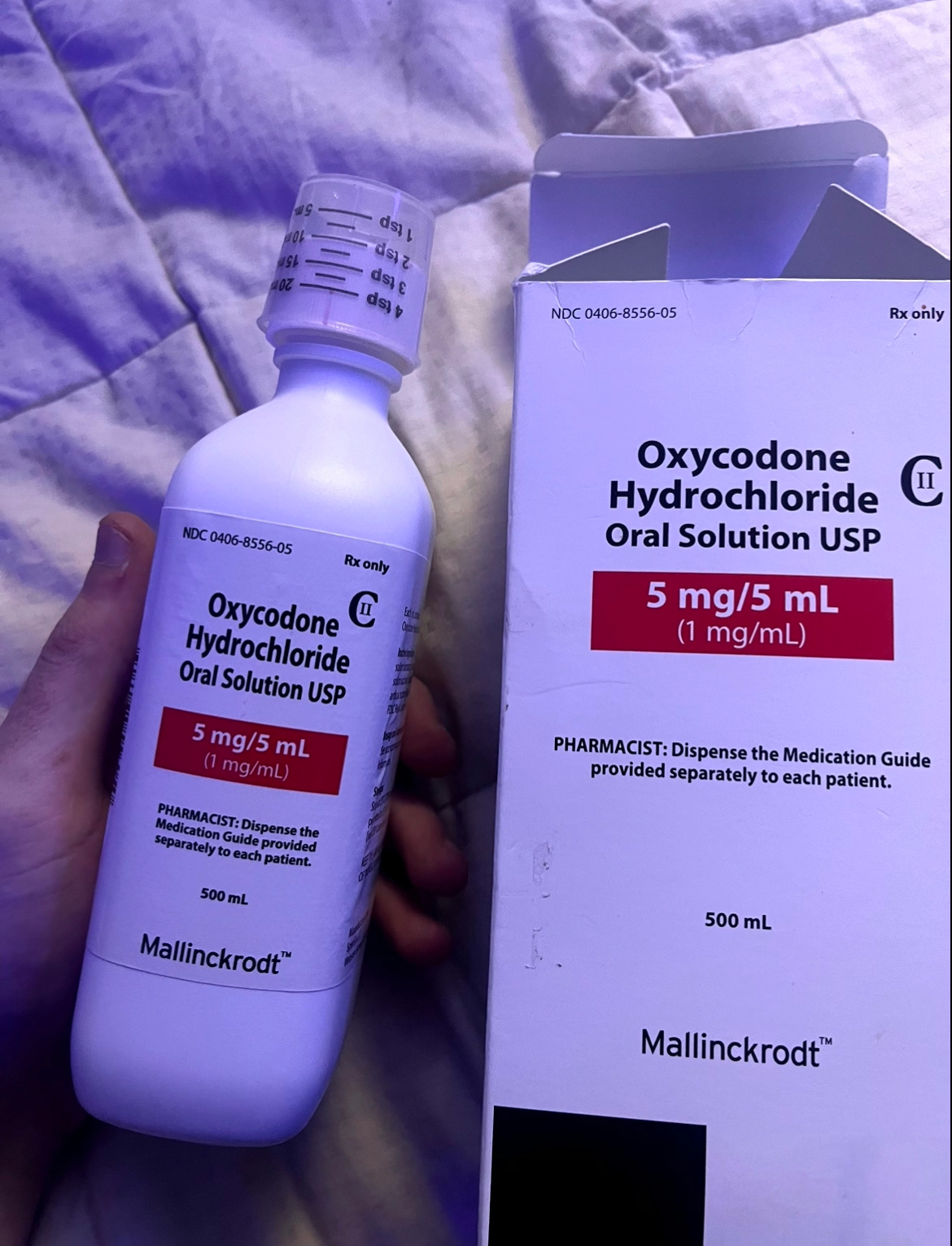
Oxycodone Hydrochloride Oral Solution
Oxycodone Hydrochloride Oral Solution is a prescription opioid analgesic for adults who need opioid treatment for severe pain when alternative treatments do not provide adequate relief. The medicine acts on the central nervous system and changes how the body perceives and responds to pain.
Due to its opioid properties, oxycodone requires careful medical supervision. Important risks include respiratory depression, misuse, addiction, overdose, and physical dependence. Follow the instructions provided by the prescribing healthcare professional and pharmacist.
Oxycodone Hydrochloride Oral Solution Uses
Healthcare professionals may prescribe oxycodone oral solution for adults with severe pain that requires opioid treatment when alternative options do not provide adequate relief.
Several factors can influence treatment decisions, including pain severity, previous therapies, opioid exposure, medical history, other medicines, and individual risk factors.
What Is Oxycodone Hydrochloride?
Oxycodone hydrochloride belongs to the opioid analgesic class of medicines. By interacting with opioid receptors in the central nervous system, it changes the way the body processes pain signals.
The medication can provide relief for severe pain, but it can also cause serious adverse effects. For this reason, use it only according to the prescribed treatment plan and never share it with another person.
Oxycodone Oral Solution Concentrations
Some current U.S. product labels list concentrations of 5 mg/5 mL (1 mg/mL) and 100 mg/5 mL (20 mg/mL).
These concentrations contain substantially different amounts of oxycodone per milliliter. The 100 mg/5 mL concentration has specific prescribing restrictions and is intended for opioid-tolerant adults under the conditions described in the prescribing information.
Before measuring a dose, check the concentration printed on the prescription label and medication container. Confusing milligrams with milliliters or using the wrong concentration can result in a serious medication error or overdose.
Product formulations can vary between manufacturers and markets. Always verify the exact concentration and official product labeling before using product-specific information.
Important Oxycodone Safety Information
Oxycodone carries important warnings related to:
-
Respiratory depression
-
Addiction
-
Abuse and misuse
-
Accidental ingestion
-
Overdose
-
Physical dependence
-
Neonatal opioid withdrawal syndrome
-
Potentially dangerous drug interactions
Opioids can slow breathing, particularly at higher doses or when combined with substances that depress the central nervous system.
Careful medical assessment helps determine whether opioid treatment is appropriate and what monitoring the patient may require.
Oxycodone Drug Interactions
Certain medicines and substances can increase the risks associated with oxycodone. Provide your doctor or pharmacist with a complete list of prescription medicines, over-the-counter products, supplements, and other substances you use.
Benzodiazepines and Other CNS Depressants
Combining oxycodone with benzodiazepines, alcohol, or other central nervous system depressants can cause profound sedation, respiratory depression, coma, or death.
Discuss all medicines and substances with your healthcare professional before starting treatment. Extra caution may be necessary when several medicines can cause sedation or slow breathing.
CYP3A4 Interactions
Some medicines affect CYP3A4, an enzyme that helps the body metabolize oxycodone.
CYP3A4 inhibitors can increase oxycodone exposure and may raise the risk of serious respiratory depression and overdose. A medication review can help identify potentially significant interactions before treatment begins.
Oxycodone Side Effects
Common side effects may include:
-
Nausea
-
Vomiting
-
Constipation
-
Drowsiness
-
Dizziness
-
Headache
-
Itching
-
Sedation
Most mild side effects require monitoring rather than emergency treatment, but severe or persistent symptoms warrant medical advice.
Emergency medical attention is necessary for severe breathing problems, extreme sedation, loss of consciousness, or other signs of overdose.
Oxycodone, Physical Dependence, and Opioid Use Disorder
Regular opioid use can cause physical dependence. The body may adapt to the medicine and produce withdrawal symptoms if treatment stops suddenly.
Physical dependence differs from opioid use disorder (OUD). OUD involves a problematic pattern of opioid use that can cause significant impairment or distress.
Anyone taking oxycodone regularly should speak with a healthcare professional before stopping treatment. A clinician can determine whether a gradual reduction is appropriate.
How to Measure Oxycodone Oral Solution
Accurate measurement helps reduce medication errors.
Before taking oxycodone oral solution:
-
Check the concentration printed on the medication container.
-
Confirm the prescribed amount.
-
Use the supplied oral syringe or another appropriate medication-measuring device.
-
Measure the liquid carefully.
-
Avoid household teaspoons or tablespoons.
-
Contact a pharmacist if you have questions about the concentration or prescribed amount.
Different oxycodone oral solution concentrations can contain very different amounts of medication in the same volume. Always verify the product strength before measuring a dose.
Oxycodone Oral Solution Storage and Disposal
Store oxycodone in a secure location that prevents unauthorized access, accidental ingestion, and misuse.
Never give the medication to another person, even when that person experiences similar pain or symptoms.
When treatment ends, follow the official product instructions and local medication-disposal guidance. Proper disposal can reduce the risk of accidental exposure and misuse.
When to Seek Emergency Help
An opioid overdose can become life-threatening quickly.
Immediate emergency assistance may be necessary when someone taking oxycodone:
-
Has slow, shallow, or difficult breathing
-
Cannot stay awake or cannot wake up
-
Loses consciousness
-
Shows other signs of opioid overdose
Naloxone can reverse opioid overdose effects in many cases. When naloxone is available, use it according to its instructions and seek emergency medical care immediately.
Frequently Asked Questions About Oxycodone Oral Solution
What is Oxycodone Hydrochloride Oral Solution?
Oxycodone Hydrochloride Oral Solution is a prescription opioid analgesic that healthcare professionals may use to manage severe pain in adults when alternative treatments do not provide adequate relief.
What is oxycodone hydrochloride used for?
Doctors and other qualified healthcare professionals may use oxycodone hydrochloride to manage pain that requires opioid treatment when alternative options prove inadequate.
Is Oxycodone Hydrochloride Oral Solution a prescription medication?
Yes. Oxycodone oral solution is a prescription opioid medication. In the United States, oxycodone is classified as a Schedule II controlled substance.
What concentrations are available?
Some current U.S. product labels list 5 mg/5 mL (1 mg/mL) and 100 mg/5 mL (20 mg/mL) concentrations. Availability depends on the specific product and manufacturer. The 100 mg/5 mL concentration carries specific restrictions and is intended for opioid-tolerant adults under the conditions described in the prescribing information.
Why does accurate measurement matter?
Different oral solution concentrations contain different amounts of oxycodone per milliliter. A measurement error can result in an overdose, particularly when someone confuses milligrams with milliliters or uses the wrong measuring device.
Can oxycodone cause dependence?
Yes. Repeated opioid use can lead to physical dependence. The medication also carries risks of misuse, addiction, and opioid use disorder.
Can oxycodone be taken with alcohol?
Alcohol can increase the sedative and respiratory effects of oxycodone. Avoid combining the two unless a healthcare professional specifically advises otherwise.
What should I do if I suspect an opioid overdose?
Treat a suspected opioid overdose as an emergency. Call emergency services, administer naloxone if available and appropriate, and follow local emergency medical guidance.
Medical Disclaimer
This page provides general educational information about Oxycodone Hydrochloride Oral Solution. It does not replace official prescribing information, the Medication Guide, or advice from a qualified healthcare professional.
Always follow the instructions provided by your prescriber and pharmacist
All packs land –
My go-to for headaches and muscle soreness after the gym. Takes the edge off within 30 min and I can get on with my day. Always keep it in my bag. Read the label and don’t exceed the dose, but for me it works every time.