
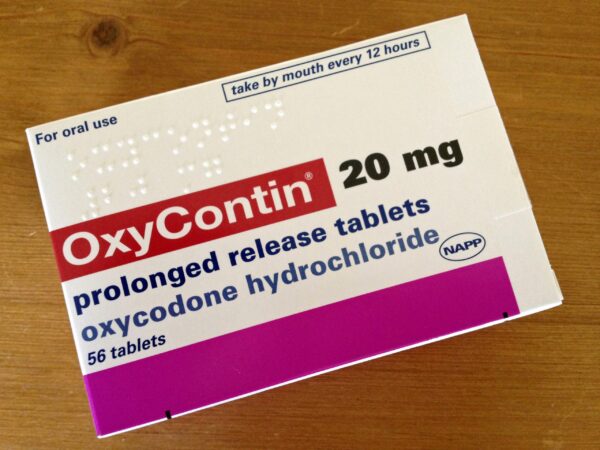
OxyContin 20 mg
OxyContin extended-release tablets is an extended-release prescription tablet containing oxycodone hydrochloride, an opioid analgesic. It is used for the management of severe and persistent pain that requires opioid treatment when alternative treatment options are inadequate.
Because oxycodone is an opioid, OxyContin carries serious risks, including respiratory depression, misuse, addiction, overdose, and physical dependence. Use OxyContin only as prescribed by a qualified healthcare professional.
What Is OxyContin 20 mg?
OxyContin 20 mg contains oxycodone hydrochloride in an extended-release tablet formulation.
Oxycodone acts on the central nervous system to reduce the perception of pain. while the OxyContin extended-release tablets formulation is designed for scheduled treatment of persistent pain rather than occasional, as-needed pain relief.
OxyContin 20 mg Uses
Healthcare professionals may prescribe OxyContin for severe and persistent pain that requires opioid treatment when alternative options do not provide adequate relief.
OxyContin is intended for scheduled treatment and should not be used as an as-needed pain medicine.
Active Ingredient
Active ingredient: OxyContin extended-release tablets
Strength: 20 mg
Dosage form: Extended-release tablet
Route of administration: Oral
Drug class: Opioid analgesic
OxyContin is a Schedule II controlled substance in the United States.
OxyContin 20 mg Product Features
-
Extended-release tablet
-
Oral administration
-
Prescription medication
-
Opioid analgesic
-
Designed for prolonged pain management
-
Schedule II controlled substance in the United States
Always verify the product packaging and current official labeling before publishing product-specific information.
OxyContin 20 mg Side Effects
OxyContin can cause side effects. Possible effects include:
-
Constipation
-
Nausea
-
Vomiting
-
Drowsiness
-
Dizziness
-
Headache
-
Itching
-
Sedation
-
Reduced alertness
Serious reactions can occur. Seek emergency medical attention for severe breathing difficulties, inability to wake, loss of consciousness, or suspected opioid overdose.
Important Safety Information
OxyContin carries serious warnings related to opioid use.
Potential risks include:
-
Respiratory depression
-
Addiction
-
Abuse and misuse
-
Overdose
-
Physical dependence
-
Accidental ingestion
-
Dangerous interactions with central nervous system depressants
-
Neonatal opioid withdrawal syndrome
Opioids can cause life-threatening respiratory depression, particularly when treatment begins or the dose increases.
OxyContin 20 mg and Alcohol
Alcohol can increase the central nervous system depressant effects of oxycodone.
Combining OxyContin with alcohol or other central nervous system depressants can increase the risk of profound sedation, respiratory depression, coma, and death.
Avoid alcohol unless a healthcare professional specifically advises otherwise.
OxyContin Drug Interactions
OxyContin can interact with various medicines and substances.
Potentially important interactions include:
-
Benzodiazepines
-
Alcohol
-
Other opioid medicines
-
Sedatives
-
Sleeping medicines
-
Other central nervous system depressants
-
CYP3A4 inhibitors
-
CYP3A4 inducers
-
Certain prescription medicines
Tell your doctor or pharmacist about all prescription medicines, over-the-counter products, supplements, and substances you use.
How to Take OxyContin 20 mg
Take OxyContin exactly as prescribed by your healthcare professional.
Swallow extended-release tablets whole with water.
Do not cut, break, chew, crush, or dissolve OxyContin tablets. Altering the tablet can release oxycodone too quickly and may result in a potentially fatal overdose.
Do not change the prescribed dose or dosing schedule without medical advice.
OxyContin 20 mg Dosage Information
The appropriate OxyContin dose depends on the patient’s condition, previous opioid exposure, response to treatment, and individual risk factors.
Healthcare professionals determine the appropriate dosage based on the patient’s specific clinical needs.
Do not assume that 20 mg of OxyContin is equivalent to 20 mg of another opioid. Opioid conversion requires professional medical assessment.
OxyContin and Physical Dependence
Repeated opioid use can cause physical dependence.
Physical dependence occurs when the body adapts to the medicine and withdrawal symptoms may occur after sudden discontinuation.
Do not abruptly stop long-term OxyContin treatment without medical guidance. A healthcare professional can determine whether gradual dose reduction is appropriate.
OxyContin 20 mg and Overdose
An oxycodone overdose can cause severe respiratory depression, unconsciousness, coma, and death.
Possible signs of opioid overdose include:
-
Very slow or difficult breathing
-
Extreme sleepiness
-
Inability to wake
-
Loss of consciousness
-
Very small pupils
-
Limpness or severe weakness
Naloxone can reverse opioid overdose effects in many cases. If an overdose is suspected, seek emergency medical assistance immediately and administer naloxone if available and appropriate
Bulgarian Props –
I’ve dealt with lower back pain for years and tried everything. This was the first product that actually took the edge off within 20 minutes. No groggy feeling after. Already reordered. Thank you!”