
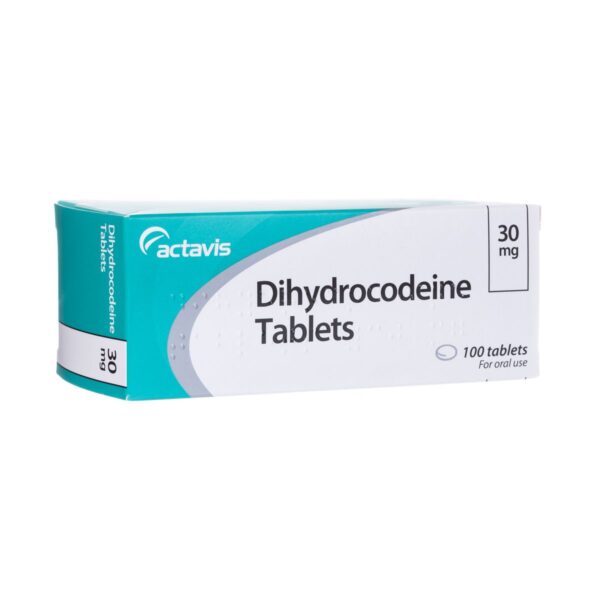
Dihydrocodeine 30 mg
Introduction
Dihydrocodeine 30 mg is an opioid pain medicine that doctors prescribe to relieve moderate to severe pain. dihydrocodeine 30 mg uses It works on the central nervous system and reduces the perception of pain. Use dihydrocodeine only according to the directions from a qualified healthcare professional.
Doctors may prescribe dihydrocodeine 30 mg when they consider opioid treatment appropriate for moderate to severe pain. Follow your prescribed treatment instructions and speak with your doctor or pharmacist if you have any concerns.
Dihydrocodeine 30 mg Safety Information
Dihydrocodeine can cause side effects such as drowsiness, dizziness, nausea, and constipation. Opioids can also cause serious breathing problems, especially when people take them incorrectly or combine them with alcohol, sedatives, benzodiazepines, or other medicines that cause sedation. dihydrocodeine 30 mg uses
Long-term or repeated use can cause tolerance and physical dependence. Dihydrocodeine can also cause addiction. Use this medicine only as directed by a qualified healthcare professional.
Who Should Take Dihydrocodeine?
Only people who have a prescription or medical recommendation should take dihydrocodeine. Before you use dihydrocodeine 30 mg, tell your doctor or pharmacist about all the medicines you take and any relevant medical conditions.
Never share prescription opioid medicines with another person, even if they have similar symptoms.
Dihydrocodeine 30 mg Side Effects
Dihydrocodeine 30 mg can cause the following side effects:
-
Drowsiness
-
Dizziness
-
Nausea
-
Vomiting
-
Constipation
-
Headache
Seek urgent medical attention if you experience severe breathing difficulties, extreme sleepiness, loss of consciousness, or other serious symptoms.
Frequently Asked Questions About Dihydrocodeine 30 mg
What is dihydrocodeine 30 mg?
Dihydrocodeine 30 mg contains 30 mg of dihydrocodeine, an opioid analgesic that doctors use to relieve pain.
What is dihydrocodeine 30 mg used for?
Doctors may prescribe dihydrocodeine 30 mg to treat moderate to severe pain when they consider an opioid pain medicine appropriate. dihydrocodeine 30 mg uses
Can dihydrocodeine cause dependence?
Yes. Regular or prolonged use can cause physical dependence and tolerance. Opioids can also cause addiction. Follow your healthcare professional’s instructions when using dihydrocodeine.
Can dihydrocodeine make you sleepy?
Yes. Dihydrocodeine can cause drowsiness and dizziness. Do not drive or operate machinery if you feel sleepy, dizzy, or otherwise impaired.
Can dihydrocodeine be taken with alcohol?
Alcohol can increase the sedative effects of dihydrocodeine and raise the risk of serious breathing problems. Avoid combining alcohol with dihydrocodeine unless a healthcare professional specifically advises you to do so.
Conclusion
Dihydrocodeine 30 mg is an opioid medicine that doctors use to relieve pain when they consider opioid treatment appropriate. Understanding its uses, possible side effects, interactions, and dependence risks can help patients use the medicine safely. Always follow the instructions from your doctor, pharmacist, or official product information.


Lab tested –
To anyone scared of taking this infamous drug… it just slows down your brain. This means it’s great for situations where you risk creating phobia instead of familiarity… As a pre-emptive measure, this will be a useful tool for me